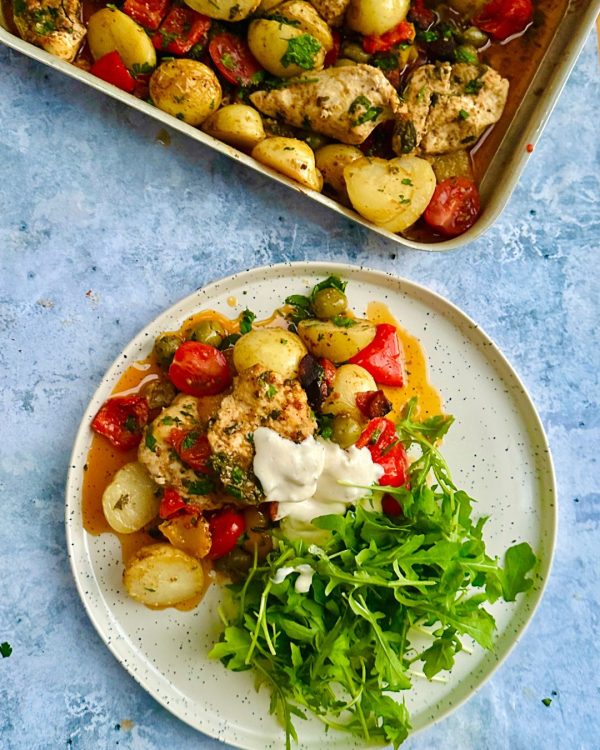
Main Course, mid week meal
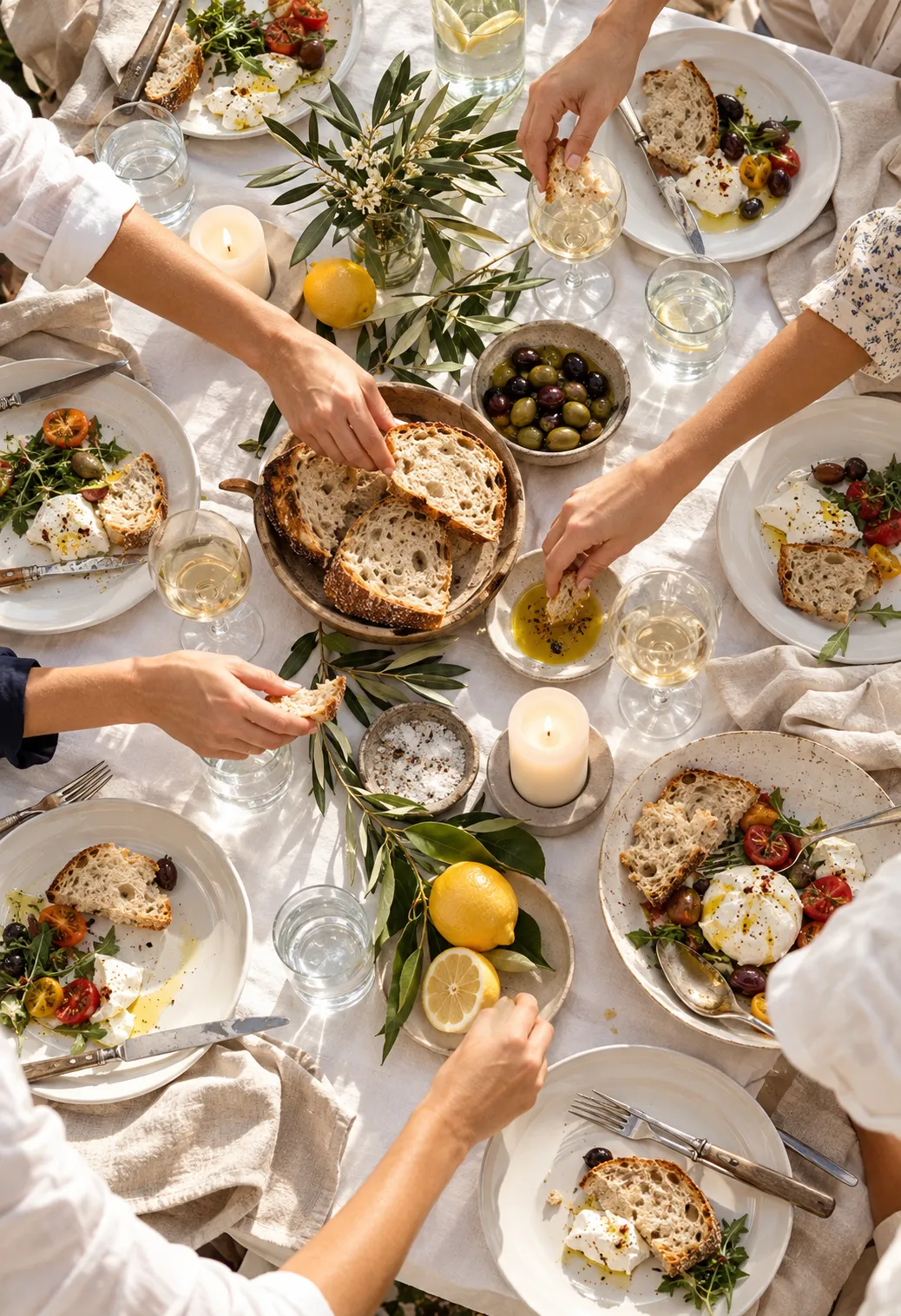
Cooking for someone is one of the most tangible ways we can show them that we have been paying attention. We remember what they enjoy, think about what we could make for them and give our time to making it taste wonderful. Long before anyone sits down, there is affection in those decisions. Someone else’s pleasure matters enough to us that we want to create it.
And there is a particular satisfaction in seeing that pleasure received. Someone reaches for another helping, asks how you made something or remembers a meal long after you have forgotten cooking it. The care you put into the food has meant something to them. Their enjoyment gives something back to you. For me, that exchange is at the heart of the pleasure of feeding people.
But there is an honesty missing from much writing about hospitality. Having people over takes work: the thinking, shopping, preparing, cooking and clearing up afterwards. If you are already stretched, the prospect of creating a lovely evening for everyone else can feel like another demand. There is no virtue in pretending otherwise, particularly when the responsibility consistently falls to one person.
You can enjoy cooking and still not want to host this weekend. You can love your friends and have little energy to give them. Acknowledging that leaves room to recognise the occasions when you do want to open your home, when the people, the timing and your own willingness make the effort feel worthwhile.
Those evenings need not be entirely easy to be deeply enjoyable. There may be several things happening in the kitchen at once, a dish taking longer than expected and more washing up than you would like. There can also be real contentment in the middle of it: people you are glad to have in your home, food you have enjoyed making, and the feeling that you are part of the pleasure you wanted to give.
When we cook for someone we care about, our knowledge of them becomes part of the meal. We remember that they like something a little spicier, that there is a dessert they would never pass up, or that after the week they have had, something warm and familiar might be particularly welcome. We are considering what would give this person pleasure, on this occasion.
Food gives that attention a physical form. Someone can sit down and enjoy what we have made for them. We cannot always find the words to express affection, gratitude or concern, but we can make something delicious and offer it generously. There is a directness to that kind of care.
There is creativity and satisfaction for the cook too. You draw on what you know, choose flavours that work together, taste and adjust until something is as good as you want it to be. Anticipating another person’s enjoyment gives that process a purpose. The pleasure begins while you are making the food.
And when it reaches the table, something changes. Until then, the meal has been yours to think about and prepare. Now it becomes an experience you share. Someone pauses to savour a mouthful, spoons a little more sauce onto their plate or wants to know what gives a dish its flavour. You get to discover what they enjoy about something you have made.
There is a difference between meeting someone for dinner and inviting them into your home. At home, you are welcoming them into a part of your life they may not otherwise see. This is where you make your morning coffee, feed your family, spend your quiet evenings. To invite someone into that space is to let them know you a little differently.
That can feel exposing. Our homes are personal, and having people over can make us suddenly conscious of things we ordinarily live quite comfortably with. There is a degree of trust in opening the door before every unfinished job has been attended to, and allowing someone to be comfortable in your life as it is.
The people we invite matter for that reason. With people whose company we enjoy and whose goodwill we trust, the evening has room to settle. We can finish cooking while they sit nearby, ask them to taste something, admit that the potatoes need longer. We are able to receive their company as well as offer our hospitality.

Over time, that welcome can become part of a friendship. Someone knows where to find a glass, remembers a meal you shared, feels at ease staying at the table while you put the kettle on. Your home has become somewhere they associate with being wanted and well fed.
A useful place to begin is to ask what kind of invitation you would look forward to offering. Perhaps it is a long Sunday lunch, with time to cook through the morning. Perhaps it is two friends for supper and something you have made so often that you can talk while you prepare it. The size and shape of the occasion should bear some relationship to the energy you have.
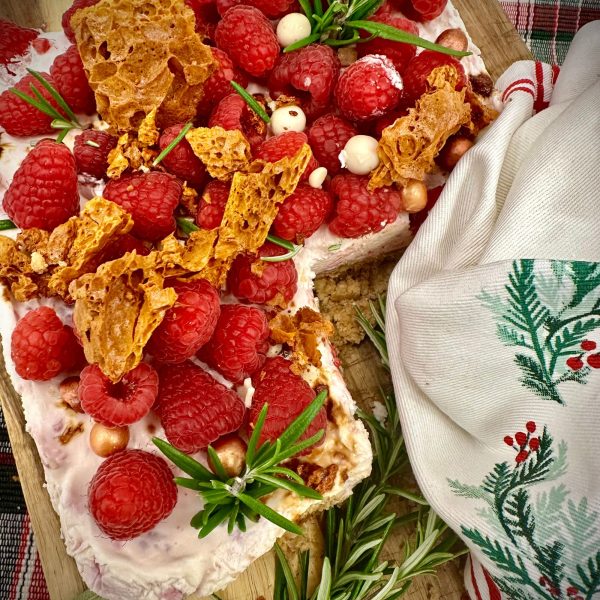
Think, too, about which part of cooking gives you pleasure. If you love making dessert, enjoy choosing it and giving it your attention. Let the main course be something familiar. If you have found beautiful ingredients and want to spend the afternoon cooking, there is pleasure to be had in that ambition too. The question is whether you are choosing the work willingly and leaving yourself room to enjoy the people coming.
Plan for the moment you want to sit down. A dish that can wait happily in the oven, a sauce made earlier or a pudding ready to serve can make a considerable difference to your experience. You can give the food the attention it deserves and then bring your attention to the table.
None of this guarantees an evening without interruptions. Something may take longer than expected. You might forget the salad until everyone has started eating. But when the work feels manageable and the company feels right, those moments need not define the experience. There is room to laugh, ask for a hand and carry on enjoying what you have made together.
That is the kind of hospitality I find satisfying: giving thought and care to a meal, seeing it enjoyed, and being able to enjoy it myself. The effort is real, and so is what it gives back.